


Purchasers should understand that blast cleaning removes surface scale and rust but does not create a permanent corrosion-resistant surface. Following blast cleaning, steel surfaces become highly reactive to environmental conditions and may develop visible rust within hours or days, depending on humidity, temperature, and storage conditions. This phenomenon is normal and does not necessarily indicate poor material quality or inadequate blast cleaning.
Heat Treatment and Surface Oxidation
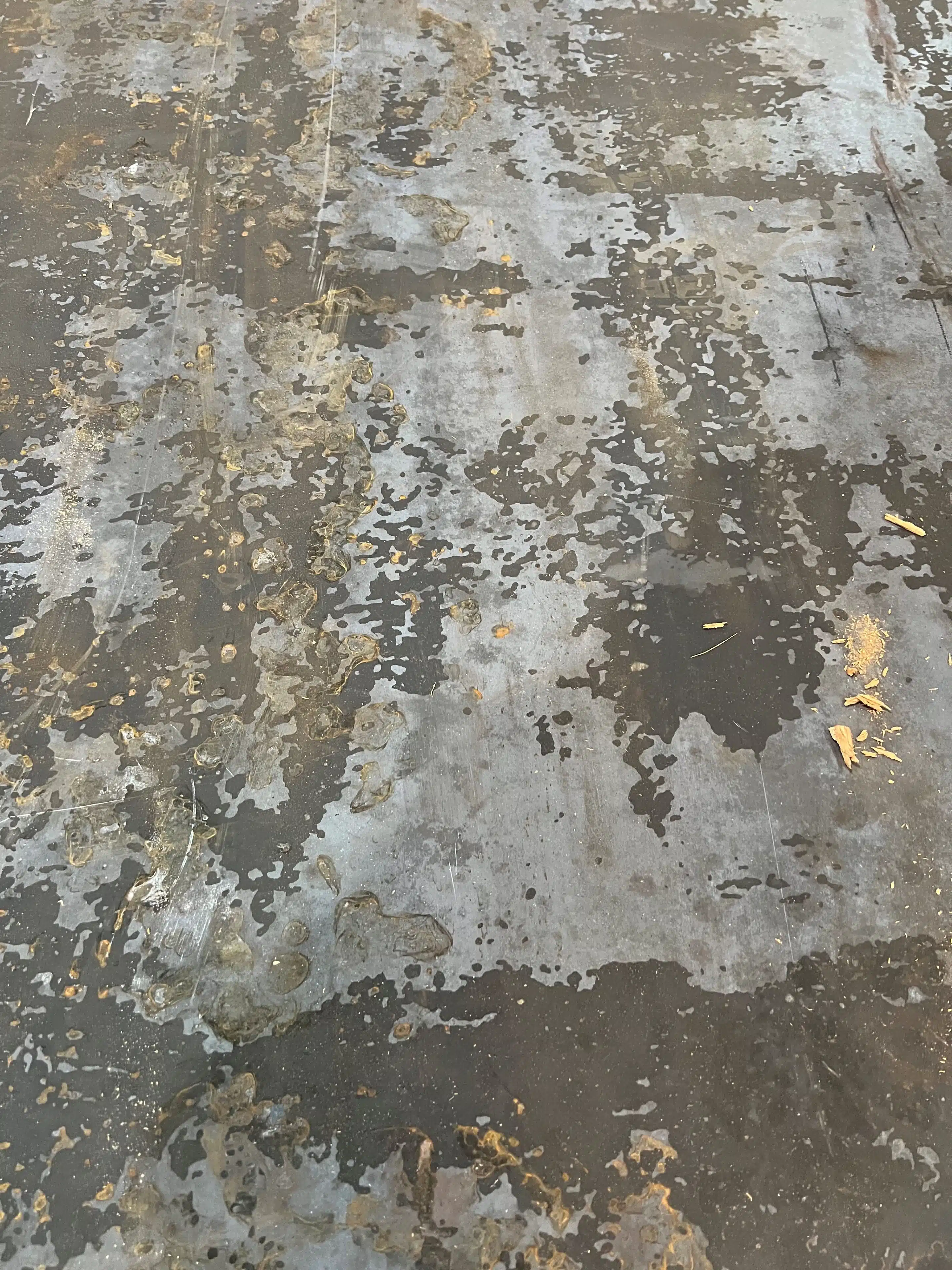
During heat treatment, steel plates are exposed to temperatures ranging from several hundred to over 1,700°F, depending on the process and material grade. At these temperatures, oxygen in the atmosphere reacts with the steel surface to form iron oxides, commonly referred to as mill scale or heat-treat scale.
The amount and appearance of scale depend on several factors:
- Temperature
- Furnace atmosphere
- Duration of exposure
- Cooling method
- Alloy composition
Typical heat-treat scale may appear as:
- Blue, red, gray, or black discoloration
- Dense oxide layers
- Flaking or adherent scale
- Localized oxidation patterns
The presence of scale after heat-treatment is a normal metallurgical condition and should be expected unless the material is processed in a controlled atmosphere or vacuum furnace.
Purpose of Blast Cleaning
- Heat-treat scale
- Surface oxides
- Light rust
- Contaminants
- Surface discoloration
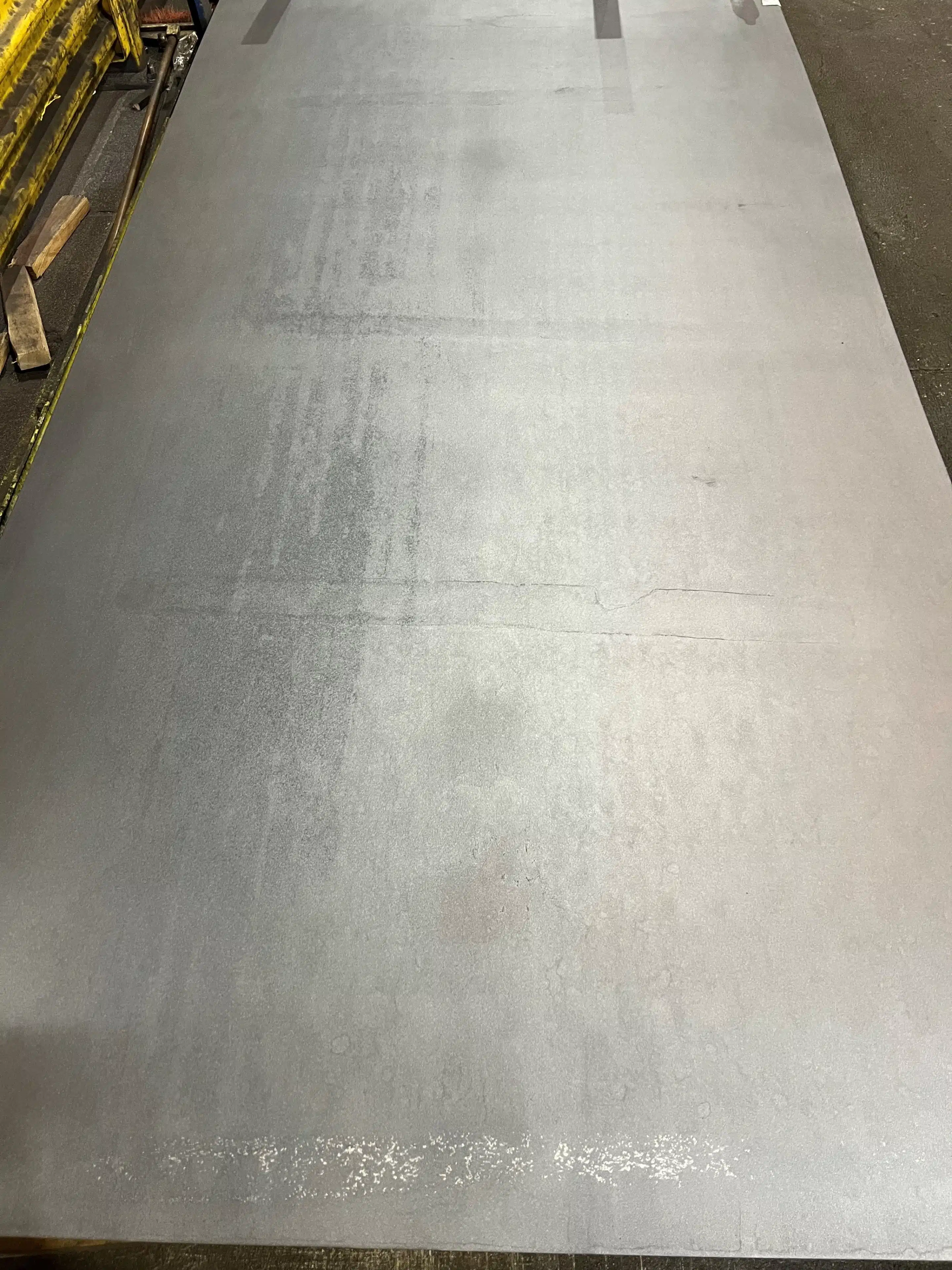
The process produces a cleaner, more uniform steel surface and can improve the appearance of the plate for fabrication, coating, or inspection.
Blast cleaning does not alter the underlying heat-treated mechanical properties of the steel. Its primary function is surface preparation and cleaning.
Surface Condition After Blast Cleaning
This newly exposed steel surface is significantly more reactive than the oxide-covered surface that existed immediately after heat treatment. While blast cleaning improves cleanliness and appearance, it also removes the protective oxide layer that previously reduced direct exposure of the base metal to moisture and oxygen.
As a result, blast-cleaned steel can begin to oxidize almost immediately when exposed.
Flash Rust and Rust Reappearance
- Flash rust
- Surface oxidation
- Atmospheric rusting
Flash rust occurs when clean steel is exposed to
- Ambient humidity
- Condensation
- Rain
- Temperature fluctuations
- Humid air
Even in indoor environments, sufficient moisture may be present to initiate oxidation.
Depending on environmental conditions, visible rust may appear
- Within several hours in high humidity
- Within one to several days under typical indoor storage conditions
- More slowly in climate-controlled environments
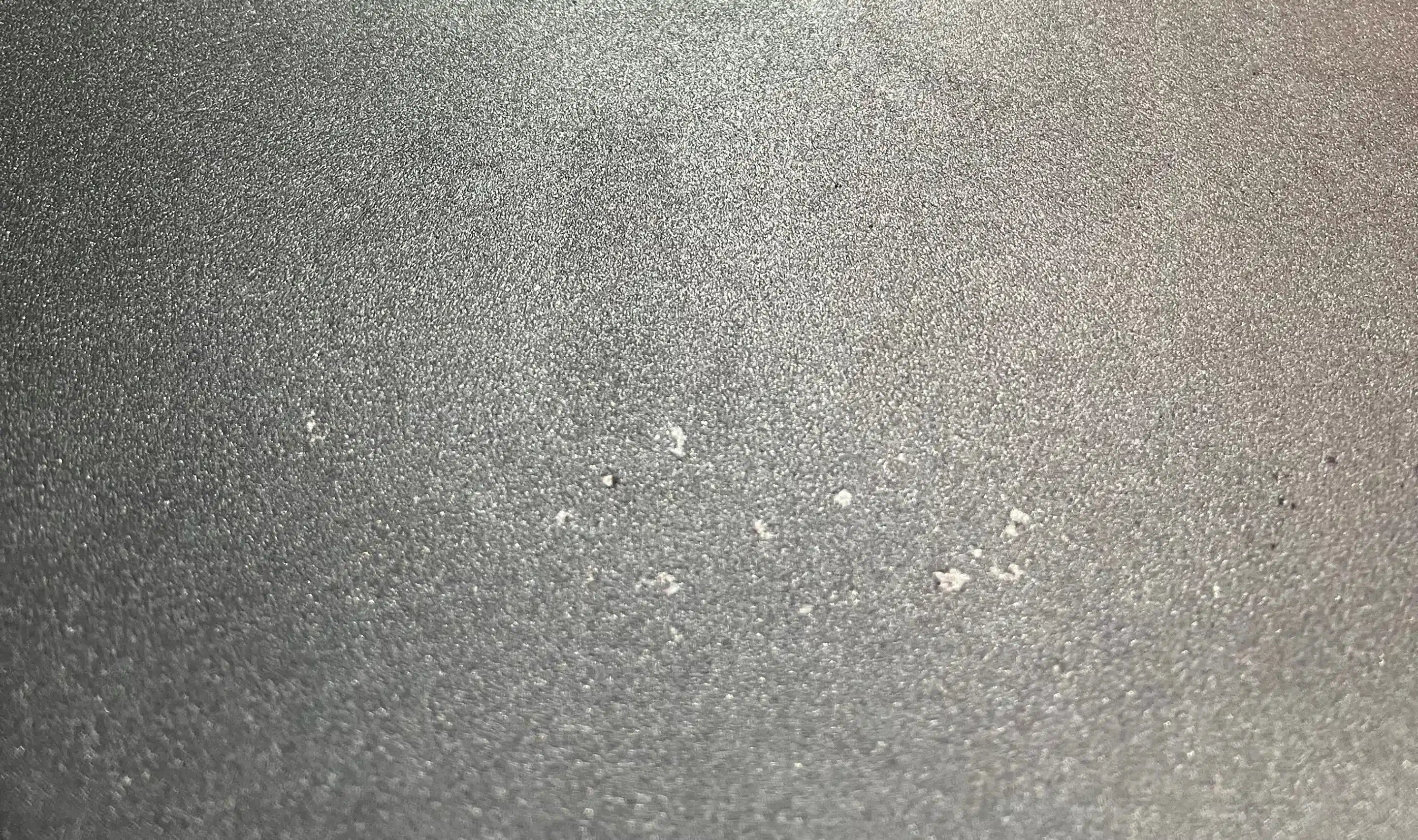
The reappearance of light surface rust after blast cleaning is generally considered normal and expected for uncoated carbon and low alloy steels.
Why Rust May Appear More Noticeable After Blast Cleaning
- Scale is removed
- Bright metallic steel is exposed
- New oxidation contrasting sharply against clean surface
- Roughened blast profile retaining moisture more readily than smooth surfaces
The result is that even a very thin layer of oxidation may be more noticeable than rust that existed before cleaning.
What Blast Cleaning Does Not Guarantee
- Permanent corrosion protection
- Rust-free storage for extended periods
- Immunity from atmospheric oxidation
- Preservation during outdoor exposure
Unless additional protective measures are applied, oxidation should be expected to occur naturally.
Recommended Protective Measures
If a rust-free appearance is required after shipment or storage, purchasers should consider specifying additional protection such as temporary rust preventatives, shop primers, or environmental controls.
Temporary Rust Preventatives
- Water-displacing oils
- Corrosion-inhibiting compounds
- Temporary protective coatings
Shop Primers
- Weldable primers
- Zinc-rich primers
- Fabrication-compatible coatings
Environmental Controls
- Indoor storage
- Climate controlled storage
- Moisture controlled packaging
- Covered transportation
The appropriate protection method should be selected based on fabrication requirements and expected storage duration.
Acceptance Considerations
When purchasing blast-cleaned heat-treated plate, it is important to distinguish between acceptable and condition that require evaluation.
Acceptable Conditions
- Complete removal of loose scale
- Uniform blast-cleaned appearance
- Minor flash rust from atmospheric exposure
- Light surface oxidation during storage
Conditions requiring evaluation
- Heavy rust scaling
- Deep pitting corrosion
- Areas of remaining adherent heat-treat scale where removal was specified
- Surface contamination that could affect coating or fabrication
Acceptance criteria should be clearly defined in purchase documents and surface preparation specifications.
Conclusion
However, blast cleaning does not prevent future oxidation. Once the protective scale is removed, the steel surface becomes susceptible to atmospheric moisture and may develop visible rust within a short period of time. The reappearance of light rust or flash rust is a normal characteristic of uncoated carbon and alloy steel products and should be expected unless supplemental corrosion protection measures are specified.
Purchasers, fabricators, and end users should recognize that blast cleaning is a surface preparation process rather than a corrosion prevention treatment. Proper storage, handling, and protective coatings remain essential when maintain a rust-free surface is required.